
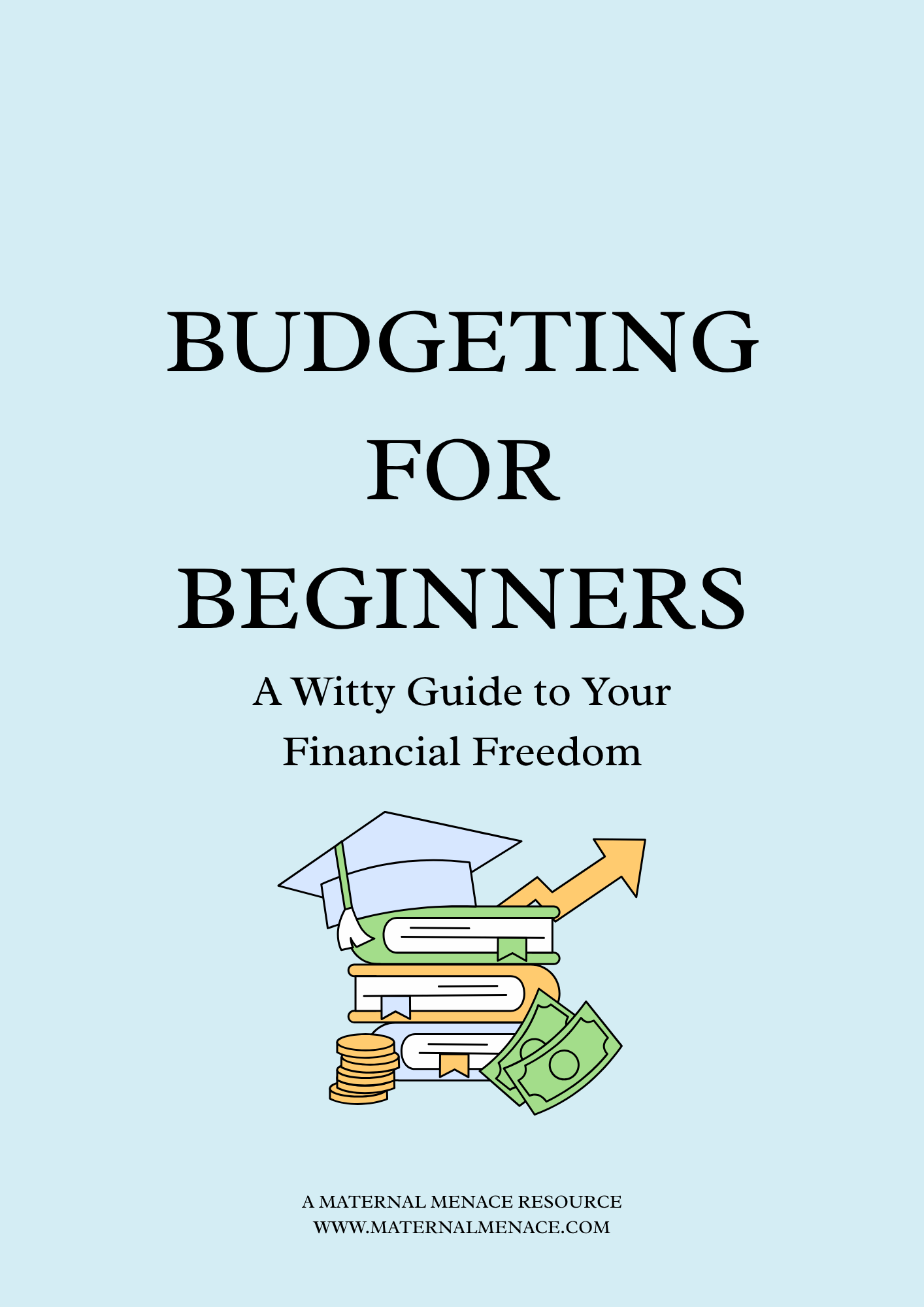
Budgeting for Beginners: Free Budgeting Guide & Printable Planner
Learn budgeting basics with this free beginner-friendly guide and printable planner designed to help you organize your finances with confidence.
Learning to budget doesn't have to be overwhelming. This free Budgeting for Beginners guide walks you through the basics of managing money in simple, easy-to-understand language before giving you printable worksheets to put those skills into practice.
Whether you're creating your first budget, trying to regain control of your finances, or simply looking for a better system, this guide helps you build practical money habits one step at a time.
What you'll learn
Budgeting basics explained in plain language.
How to track income and expenses.
How to create a realistic monthly budget.
Tips for reducing unnecessary spending.
Ways to set and work toward financial goals.
How to use printable budgeting worksheets to stay organized.
Includes: Beginner-friendly budgeting guide plus printable budgeting worksheets in PDF format.
Quick Tip: A successful budget isn't about restricting yourself—it's about giving every dollar a purpose before you spend it. Even small changes can make a meaningful difference over time.
Related resources will be added as our library continues to grow.
Disclaimer: This guide is intended for educational and informational purposes only and does not constitute financial, legal, tax, or investment advice. Always consult a qualified professional regarding your individual financial situation.
Found this helpful?
Share it with a friend, family member, or caregiver who might benefit.
New free resources are added regularly to the Maternal Menace Resource Library.
Financial Literacy for Kids: Teaching Smart Money Habits Early
Help children build healthy money habits with simple lessons about saving, spending, earning, and giving. Financial literacy starts with everyday conversations.
Financial literacy is an important life skill that can begin long before a child gets their first paycheck. Teaching children how money works helps them develop responsibility, confidence, and healthy financial habits that can last a lifetime.
This free infographic introduces age-appropriate ways to teach kids about earning, saving, spending, budgeting, and giving through everyday experiences and family conversations.

What you'll learn
Why saving is important
The difference between needs and wants
How to earn money responsibly
Budgeting basics for kids
Smart spending habits
The value of giving and generosity
Why mistakes are part of learning
Quick Tip: The best way to teach financial literacy is by involving kids in everyday money decisions. Simple experiences—like comparing prices at the grocery store or setting a savings goal—can build lifelong money skills.
Related resources will be added as our library continues to grow.
Disclaimer: This resource is for educational purposes only and is not financial or legal advice. Families should make financial decisions based on their own circumstances.
Found this helpful?
Share it with a friend, family member, or caregiver who might benefit.
New free resources are added regularly to the Maternal Menace Resource Library.